
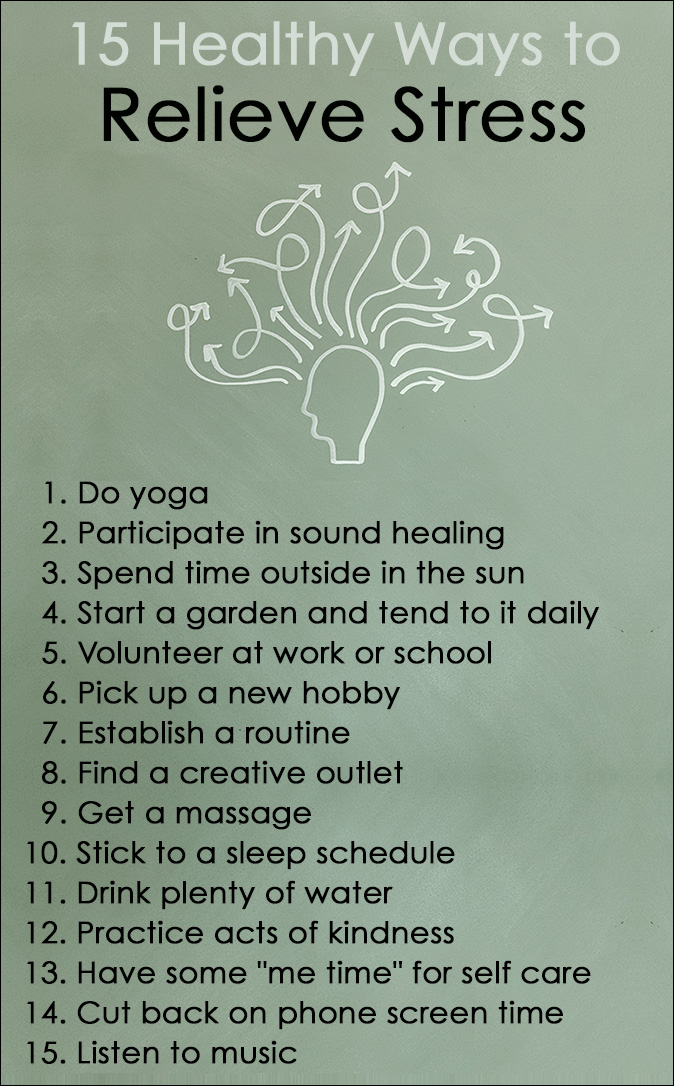
Burnout is an increasingly prevalent issue among real estate professionals, often resulting from the unique pressures of the industry. Realtors frequently face high demands, long hours, and the emotional toll of working closely with clients through significant life changes. As such, it is essential to implement effective burnout prevention strategies to ensure both personal well-being and professional success. This report outlines the causes of burnout, its symptoms, and actionable strategies for realtors to mitigate stress and maintain a healthy work-life balance.
Understanding Burnout in Real Estate
Burnout is characterized by emotional exhaustion, depersonalization, and a diminished sense of personal accomplishment. In the real estate field, several factors contribute to burnout, including:
- High Workload: Realtors often juggle multiple clients, listings, and https://www.home-truths.co.uk/pag/top-5-ways-to-relax-after-a-busy-day-of-property-showings.html transactions simultaneously, leading to overwhelming stress.
- Client Expectations: The pressure to meet the diverse needs and expectations of clients can be exhausting, especially when dealing with difficult personalities.
- Market Fluctuations: The real estate market is known for its volatility, which can create uncertainty and anxiety for realtors regarding job security and income stability.
- Isolation: Many realtors work independently, which can lead to feelings of loneliness and lack of support.
Symptoms of Burnout
Recognizing the symptoms of burnout is crucial for timely intervention. Common indicators include:
- Chronic fatigue and lack of energy
- Irritability and mood swings
- Difficulty concentrating and making decisions
- Decreased job satisfaction and motivation
- Physical symptoms such as headaches, insomnia, or gastrointestinal issues
Strategies for Burnout Prevention
To combat burnout, realtors can adopt a variety of strategies that promote well-being and resilience:
1. Set Boundaries
Establishing clear boundaries between work and personal life is essential. Realtors should:
- Designate specific work hours and communicate them to clients.
- Limit after-hours communication to maintain personal time.
- Schedule regular breaks throughout the day to recharge.
2. Prioritize Self-Care
Self-care is vital for maintaining mental and physical health. Realtors should:
- Engage in regular physical activity, which can reduce stress and improve mood.
- Practice mindfulness or meditation to enhance emotional regulation and focus.
- Ensure adequate sleep and nutrition to support overall well-being.
3. Seek Support
Building a support network can help realtors feel less isolated. They should:
- Connect with colleagues for networking, mentorship, and emotional support.
- Consider joining professional associations or local real estate groups.
- Seek professional help from counselors or coaches when needed.
4. Manage Time Effectively
Time management is crucial in a fast-paced industry. Realtors can:
- Utilize tools such as calendars, task lists, and project management software to stay organized.
- Prioritize tasks based on urgency and importance, focusing on high-impact activities.
- Delegate responsibilities when possible, such as administrative tasks or marketing efforts.
5. Continuous Learning and Development
Investing in professional growth can enhance job satisfaction and reduce feelings of stagnation. Realtors should:
- Attend workshops, seminars, and training sessions to stay updated on industry trends and best practices.
- Pursue certifications or specializations that align with their interests and market demands.
- Engage in regular self-reflection to identify areas for improvement and set personal goals.
6. Cultivate a Positive Work Environment
A supportive and positive work culture can significantly impact a realtor’s mental health. Strategies include:
- Encouraging open communication and collaboration among team members.
- Celebrating successes and recognizing individual contributions to foster a sense of belonging.
- Creating a physically comfortable workspace that promotes productivity and well-being.
Conclusion
Burnout is a real and pressing concern for realtors, but it is preventable with proactive strategies. By setting boundaries, prioritizing self-care, seeking support, managing time effectively, pursuing continuous learning, and cultivating a positive work environment, realtors can maintain their well-being and thrive in their careers. It is essential for real estate professionals to recognize the signs of burnout and take action to protect their mental health, ensuring long-term success and fulfillment in this demanding yet rewarding industry.
