
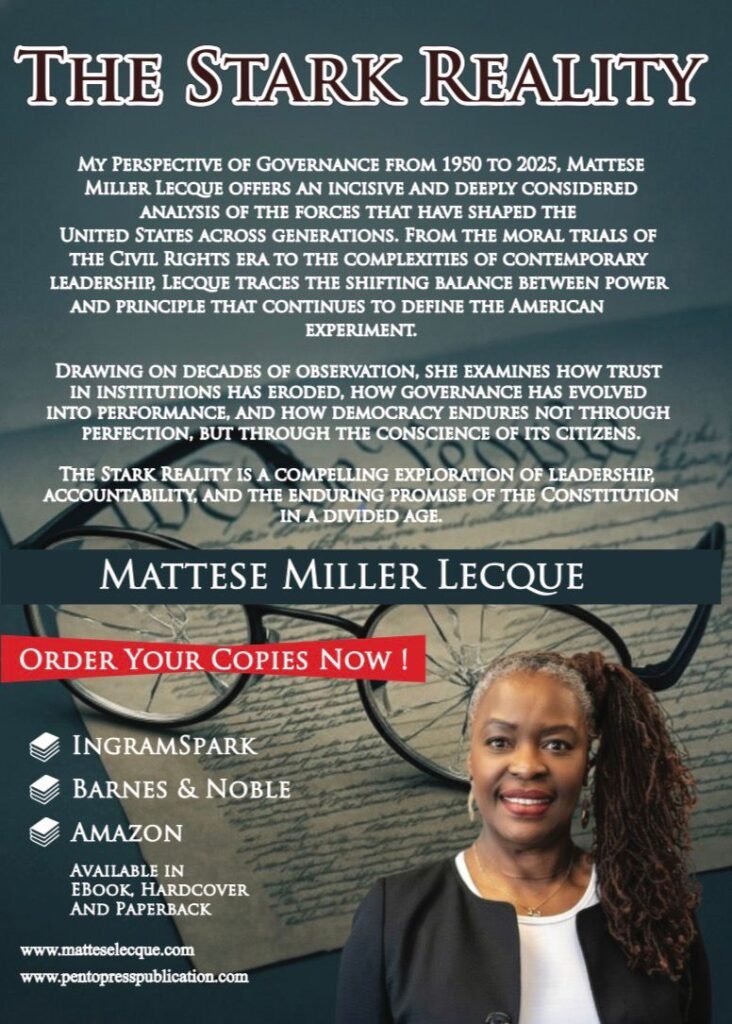
History is often remembered through selective storytelling. Timelines highlight victories, names, and dates, but the deeper truth behind leadership decisions and personal sacrifice is frequently overlooked. Stark reality enhancing history means presenting the past without filters, allowing readers to understand how real choices, moral pressure, and human strength shaped lasting outcomes.
When history is grounded in truth, it becomes more than documentation. It becomes guidance. This approach brings clarity to complex moments and allows readers to connect with history as lived experience rather than distant theory.
Truth as the Foundation of Historical Understanding
Every historical event carries layers of reality beneath its surface. Decisions are made under pressure, leadership is tested by uncertainty, and consequences often extend far beyond their moment. Enhancing history through stark reality requires honesty about these conditions.
Truth-based historical narratives build credibility. They avoid exaggeration and instead focus on accuracy, context, and lived experience. This strengthens trust with readers who seek depth rather than simplified storytelling.
When truth leads the narrative, history becomes a reliable source of learning instead of a curated memory.
Leadership Revealed Under Pressure
Leadership is most clearly defined when comfort disappears. Stark reality exposes leaders at their most critical moments—when values are tested and outcomes are uncertain. These moments shape history more than ceremonial achievements.
Enhancing history through leadership-focused truth shows how discipline, service, and ethical responsibility guide decisions. It highlights the weight of command and the human cost behind authority.
Readers gain insight into how real leadership operates, not as an abstract concept, but as an active force influencing justice, security, and social progress.
Enhancing History Through Real Experience
Historical narratives gain strength when they reflect lived experience. Stark reality brings forward voices shaped by service, resilience, and accountability. It adds dimension to events by explaining why decisions were made and how they affected lives.
This approach transforms history into a relatable guide. Readers see patterns of courage, failure, recovery, and conviction that mirror modern challenges. As a result, history feels relevant rather than distant.
Enhancing history through experience allows lessons to be understood, remembered, and applied.
Why Honest History Builds Stronger Legacy
Legacy is not created by perfection. It is formed through consistency, integrity, and responsibility. Stark reality preserves legacy by presenting achievements alongside struggle, ensuring the full story is told.
When history avoids difficult truths, its lessons weaken. Honest narratives protect future generations from repeating mistakes and provide realistic models of leadership and service.
Enhancing history strengthens legacy by grounding it in facts, values, and accountability rather than myth.
Modern Relevance of Stark Reality Enhancing History
Today’s readers demand transparency. They question narratives that appear polished or incomplete. Stark reality meets this expectation by presenting history with clarity, evidence, and depth.
Search behavior shows strong intent for authentic leadership stories, justice-focused narratives, and truth-driven analysis. Content that enhances history through reality aligns naturally with this intent, increasing engagement and time on page.
In a digital age, history that reflects truth performs better because it answers real questions instead of promoting surface-level summaries.
The Connection Between History and Personal Responsibility
Understanding history through stark reality encourages reflection. Readers begin to recognize how individual actions influence collective outcomes. This awareness fosters responsibility, ethical thinking, and informed leadership.
Enhancing history does not dictate conclusions. Instead, it provides the clarity needed for readers to form their own informed perspectives. This empowers thoughtful decision-making in both public and private life.
History becomes a mirror rather than a monument.
Preserving Truth for Future Generations
Historical accuracy is a responsibility. Stark reality ensures that future generations inherit knowledge rather than interpretation alone. It protects the integrity of the past while allowing lessons to remain relevant.
Enhancing history through truth ensures continuity. It connects past experience with future leadership by preserving context, struggle, and purpose.
This form of storytelling honors those who served and guides those who will lead.
Conclusion
Stark Reality enhancing history is about restoring depth, honesty, and meaning to the past. When history is presented as it truly occurred, leadership becomes clearer, lessons grow stronger, and legacy gains purpose.
This approach transforms historical content into a living resource—one that educates, challenges, and prepares readers to act with integrity. By choosing truth over comfort, enhanced history ensures that the past continues to guide the present and shape the future.
